Clear these questions before the property file advances to the next step in a mineral sale.
Antrim Shale Mineral Rights
The Antrim Shale is a mature, shallow gas play, so selling here is less about hype and more about reading a slow, steady decline curve honestly.
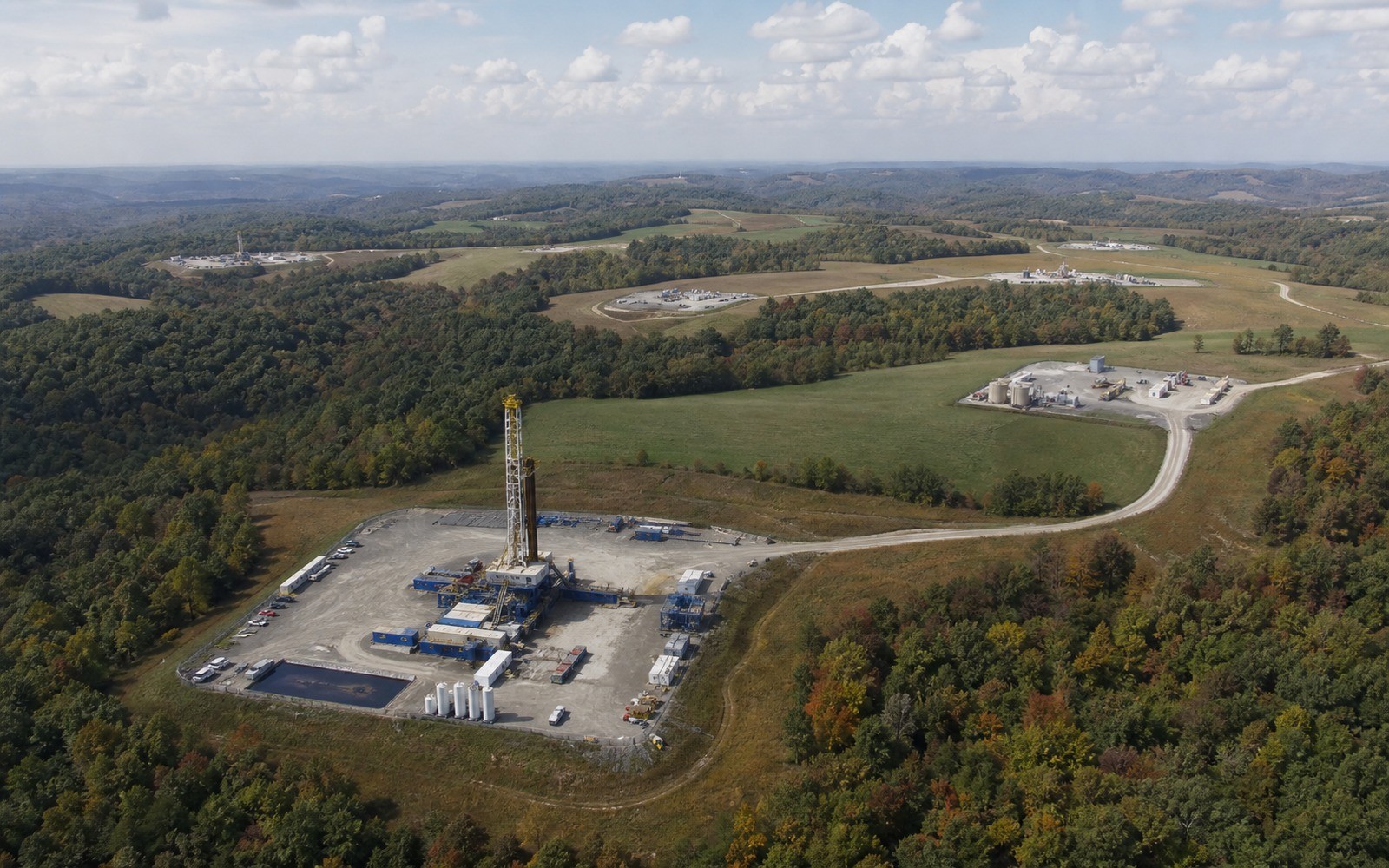
The Antrim Shale sits under the northern Lower Peninsula of Michigan, developed heavily through the 1990s and 2000s as one of the earliest widespread shale gas plays in the country, well before the Marcellus or Eagle Ford ever made headlines. It's shallow, biogenic gas, produced from wells that were drilled decades ago and have been declining slowly ever since.
That maturity changes how you should approach selling. Below are the moves that actually help you get a fair offer, paired with the habits that waste your time or cost you money in a play like this.
Michigan's oil and gas records go back further than many owners expect, and because this play was developed methodically across the northern Lower Peninsula rather than in a single rush, most of the documentation you need genuinely exists, it just takes a little digging to find.
Do this: pull your full payment history, more than a single month
Antrim wells decline slowly and predictably compared to a modern horizontal shale well, which means a buyer needs to see the shape of your decline curve over years, not weeks, to price your interest fairly. Request as much payment history as your operator will provide, ideally three years or more, and look at whether payments have flattened into a stable low-volume pattern typical of a mature stripper well.
Don't do this: judge your interest off one or two recent checks. A single low month in a mature gas play often reflects seasonal gas pricing or a temporary operational issue, not a real drop in your underlying reserves.
Do this: confirm your operator and well status directly
Many Antrim wells have changed hands between operators multiple times since the original development boom, and some smaller operators have gone through ownership changes or bankruptcy along the way. Confirm who currently operates your well through Michigan's oil and gas regulatory records, and check whether the well shows as actively producing or shut in.
Don't do this: assume the operator name on your old paperwork is still accurate. Wells in this basin have been sold and resold enough times that outdated operator information is one of the most common reasons a first offer comes in low, the buyer is pricing in the risk of tracking down current production status.
Do this: set realistic value expectations for a mature, shallow play
Antrim gas is shallow, low-pressure, and biogenic, meaning it was generated by bacterial action rather than deep heat and pressure like a Marcellus or Haynesville well. Recovery per well is modest and the play is not seeing meaningful new drilling. Value here is driven almost entirely by your existing, stable royalty stream and how many years of production a buyer reasonably expects remain, not by speculation about future development.
Don't do this: compare offers here to headlines about hot shale plays elsewhere. A fair Antrim offer is priced off your actual trailing checks and remaining reserve life, and any number pitched to you without reference to your payment history should be treated as a guess, not a real offer.
Do this: get your title and heirship paperwork in order early
Because this play has been producing for decades, many of these interests have passed through one or more generations without formal probate. If your name isn't the one on the original lease or deed, gather whatever probate or affidavit of heirship documentation exists before you start shopping the interest, since this is often the actual bottleneck, not the value conversation.
Don't do this: wait until a buyer asks for it. Sellers who show up with a clean chain of title move through closing in weeks. Sellers who have to start the heirship process after receiving an offer often watch that offer sit for months while the paperwork catches up.
Questions Owners Ask at This Checkpoint
Why is your Antrim Shale royalty check so small compared to what you hear about other shale plays?
Antrim wells are shallow, low-pressure biogenic gas wells with modest per-well recovery, nothing like a modern deep horizontal well. Small, steady checks are normal for this play and don't mean your interest is worthless, it means it should be valued as a mature, stable asset.
Is anyone still drilling new Antrim wells?
New drilling in this play is minimal. Most current production comes from wells drilled during the original development wave. Buyers price Antrim interests on existing decline curves, not future drilling upside.
How long will your well keep producing?
It depends on your specific well's current decline pattern, but many Antrim wells have produced steadily for two decades or more at low volumes. Review your payment history with a buyer to get a realistic estimate for your specific interest rather than relying on a basin-wide average.
Should you sell now or keep collecting the royalty?
That depends on your own financial goals, not the basin. A stable, mature play like this is exactly the kind of asset where a lump-sum offer versus ongoing small checks is a personal math decision, worth running by your CPA before you decide either way.
Does it matter that Antrim gas is biogenic rather than thermogenic?
It mostly explains why the play behaves the way it does, shallow, low-pressure, and modest in per-well volume. It doesn't change how you should approach a sale, which still comes down to reading your own trailing payment history honestly.
Move to the next sale checkpoint
Move the Property File to the Next Decision Gate
Share the property location, interest type, producing status, records already available, and the decision that needs to be made next.