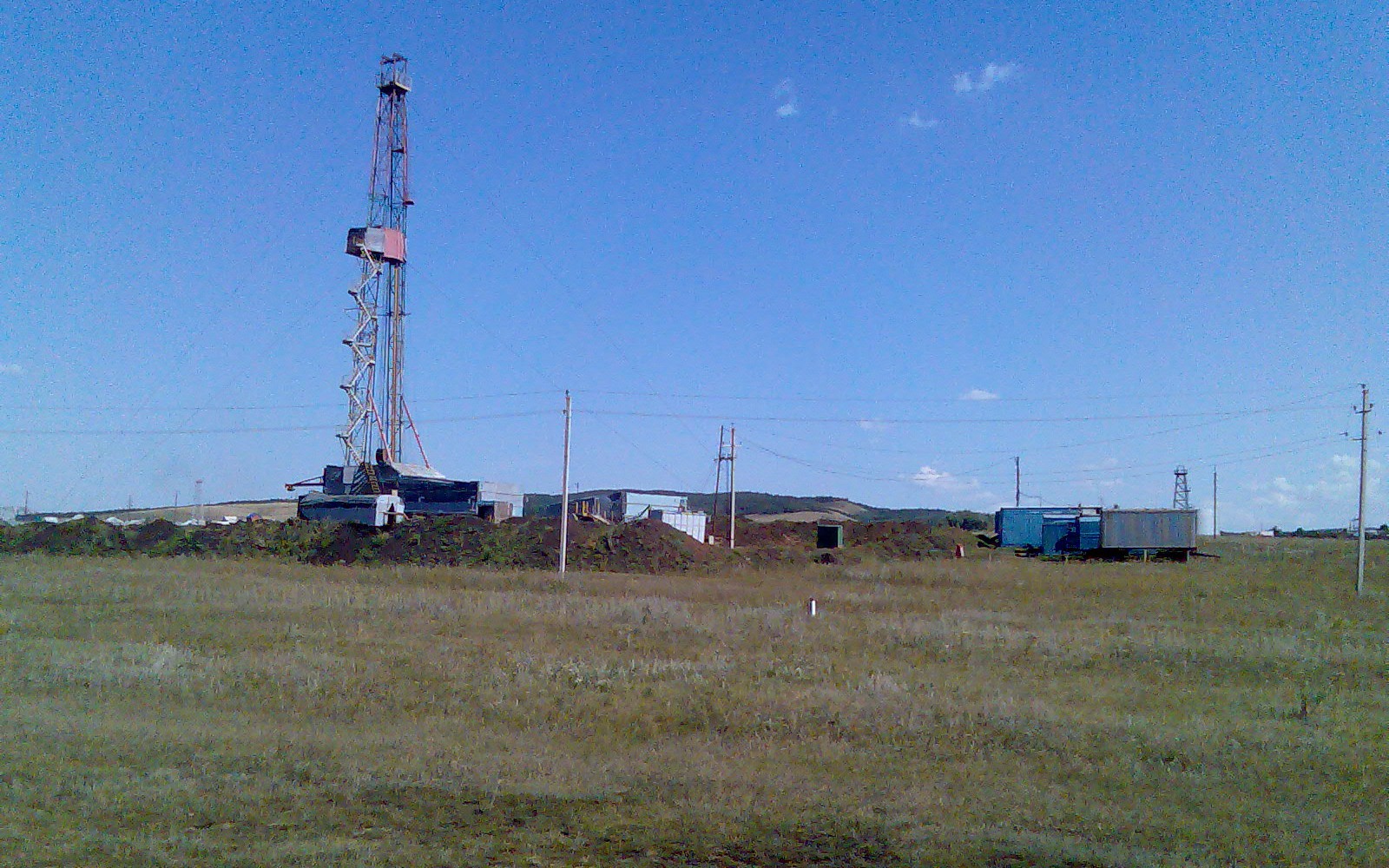
Clear these questions before the property file advances to the next step in a mineral sale.
Smackover Formation Mineral Rights
The Smackover is one of the oldest producing formations in the country, and selling here means valuing decades-old stripper production honestly.
The Smackover Formation stretches across southern Arkansas and northern Louisiana, along with parts of Mississippi and Texas, and it's been producing oil and gas since discoveries in the 1920s and 1930s, making it one of the longest continuously producing plays in the United States. It's a conventional formation, not shale, and most wells here are old, low-volume stripper wells that have been producing steadily, sometimes for generations, rather than recently drilled unconventional wells.
Because this is such an old, well-established play, this lesson focuses on the specific habits that separate a smooth sale from a frustrating one in a formation this mature.
Because production here goes back nearly a century in places, some interests have been divided many times over through inheritance, sometimes leaving individual owners with very small fractional shares. That's normal for a formation this old and doesn't mean your share isn't worth selling, it just means the paperwork step matters more than usual.
Do this: expect a stable, low-volume asset, not a growth story
Smackover wells that are still producing after this many decades are, almost by definition, slow, steady stripper wells with predictable, modest output. Pull whatever payment history you have and look for a long, flat pattern rather than dramatic swings, that flatness is a genuine sign of a mature, dependable asset.
Don't do this: expect or chase the kind of valuation you'd see on a newly drilled unconventional well elsewhere. A fair Smackover offer reflects a long, stable royalty stream, and that's a real, sellable characteristic on its own terms.
Do this: check whether your interest includes bromine or other byproduct rights
Parts of the Smackover, particularly in southern Arkansas, are also known for bromine production, extracted from the same brine associated with oil and gas operations. Check your lease and any royalty statements for bromine or byproduct references, since this can represent a separate, sometimes overlooked, value stream distinct from your oil and gas royalty.
Don't do this: assume your mineral rights and any byproduct rights are automatically bundled together. Some older Smackover leases and deeds separate these out, so confirm explicitly what you hold before you talk to a buyer.
Do this: prioritize clean title research, since this play has old, layered paperwork
Given decades of production and multiple generations of ownership, Smackover mineral interests often carry a longer, more complex title history than newer plays. Start at the county clerk's office and trace your deed and probate history as far back as you reasonably can, since gaps here are one of the most common reasons a sale stalls.
Don't do this: wait until a buyer flags a title issue to start resolving it. Sellers who bring a documented chain of title to the table move through diligence far faster than those who start that process after an offer is already on the table.
Do this: be patient finding a buyer who specializes in legacy conventional plays
The Smackover doesn't attract the buyer competition that actively drilled unconventional plays do, since there's little new-development story to point to. Look specifically for buyers experienced with old conventional Arkansas and Louisiana production rather than assuming a generalist buyer will price your interest accurately.
Don't do this: read a slow response or a modest first offer as evidence your interest has no value. A stable, decades-old stripper well income stream is a real asset, and the right buyer for this kind of position may just take a bit more searching to find.
Questions Owners Ask at This Checkpoint
Why is your Smackover royalty check so small and consistent?
That's typical of a mature stripper well, a hallmark of this formation given how long it's been producing. Small, steady checks reflect a stable, predictable asset, not a failing one.
What is bromine and why does it matter to your mineral rights?
Bromine is extracted from the same brine associated with oil and gas production in parts of the Smackover, particularly in southern Arkansas, and can represent a separate byproduct royalty stream. Check your paperwork to see whether you hold these rights separately from your standard oil and gas royalty.
Your family has held this interest for generations with unclear paperwork. Where do you start?
Begin at the county clerk's office where the minerals are located and trace the deed and any probate records tied to your family's ownership. A documented chain of title is especially important in a play this old, since gaps are common and worth resolving before you shop the interest.
Is it hard to find a buyer for old conventional Smackover rights?
It can take more outreach than in an actively drilled unconventional play, since fewer buyers specialize in this kind of legacy asset. Seek out buyers with specific experience in mature Arkansas and Louisiana conventional production for the fairest evaluation.
Your fractional interest seems very small. Is it still worth selling?
Small fractional shares are common in a formation this old and still carry real value, priced proportionally against the well's production. Gather whatever documentation you have and let an actual buyer quote a number rather than assuming a small share isn't worth the effort.
Move to the next sale checkpoint
Move the Property File to the Next Decision Gate
Share the property location, interest type, producing status, records already available, and the decision that needs to be made next.