Clear these questions before the property file advances to the next step in a mineral sale.
Haynesville Shale Mineral Rights
LNG export demand has renewed interest in Haynesville gas, and this timeline shows how that shift actually plays out when you go to sell.
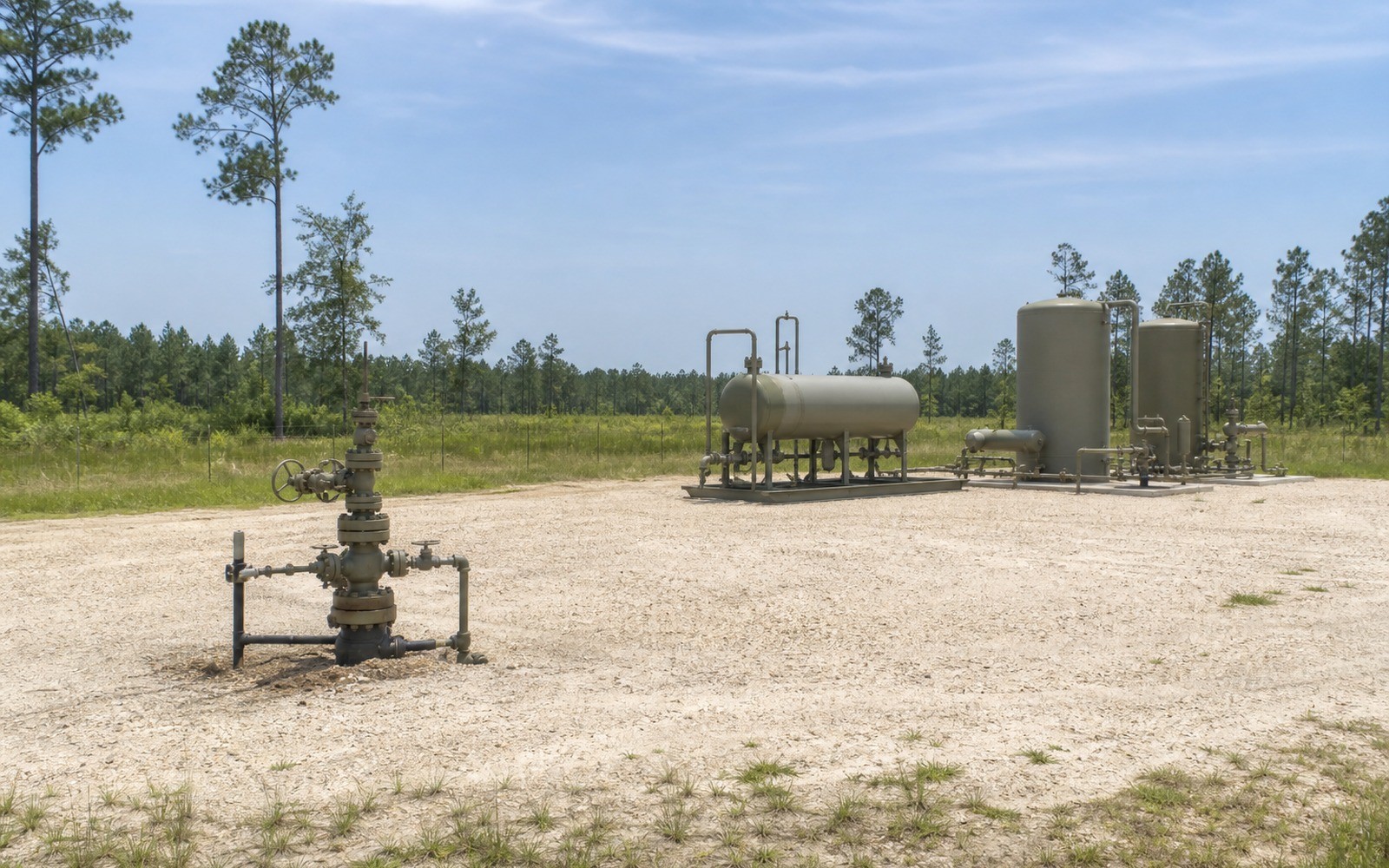
The Haynesville Shale spans East Texas and northwest Louisiana, concentrated in counties and parishes like Caddo, DeSoto, Red River, and Panola, and it's one of the deepest, highest-pressure dry gas shale plays in the country. After a slower stretch following its initial boom, renewed drilling here has been driven substantially by growing LNG export demand along the Gulf Coast, since Haynesville gas sits close to export terminals.
This lesson walks through the sale timeline with that LNG context built in, because it directly affects how fast buyers move and how they think about your interest's near-term upside.
Because Haynesville wells are drilled deep and produce at high pressure, they're also more capital-intensive than shallower gas wells elsewhere, which means operators here tend to concentrate activity where economics are strongest rather than drilling broadly across the whole play. Recognizing where your acreage sits relative to that focus is part of reading your position accurately.
Weeks one and two: confirm your position relative to current activity
Pull your division order and confirm your formation, operator, and well status. Then check recent permitting activity in your parish or county through Louisiana's Office of Conservation or the Texas Railroad Commission, since LNG-driven demand has concentrated renewed drilling in specific pockets of the play rather than uniformly across it.
If you see recent permits or new well completions near your tract, that's a meaningful signal, it suggests you're in an area operators are actively targeting for the current demand cycle, not a quiet legacy section.
Weeks two through three: gather check history and separate old from new activity
If you've held this interest since the play's original boom in the late 2000s, your payment history may show an older well far along in its decline. If a newer well has since been drilled on your unit as part of the current development wave, you may see a fresh production ramp layered on top of that older decline.
Sort your check history by well if you're receiving royalty from more than one, since a buyer will want to understand which portion of your income comes from a mature legacy well and which comes from newer, higher-volume production.
Weeks three through four: expect gas-price-sensitive, LNG-aware offers
Because Haynesville gas has a fairly direct path to Gulf Coast LNG terminals, buyers here are often more attuned to LNG demand trends than buyers in gas plays further from export infrastructure. Ask how a buyer's offer accounts for that dynamic, since it should show up as more confidence in near-term development pace, rather than a generic gas-price assumption alone.
This is also the point to get more than one offer if possible. A buyer who specializes in Haynesville positions will typically explain their reasoning around LNG demand more specifically than a generalist buyer working off broader shale-gas assumptions.
Weeks four through six: title review and closing
Louisiana and Texas both require a clean, documented chain of title, and interests held since the original Haynesville boom sometimes carry inheritance or probate gaps if ownership passed through family without formal documentation. Get that resolved before you start shopping the interest if you can, since it's the most common thing that slows a Haynesville closing down.
With clean title, expect a straightforward Haynesville sale to close in three to five weeks from signed agreement, in line with the pace of an actively drilled play with real buyer competition.
Questions Owners Ask at This Checkpoint
Why is there suddenly more interest in Haynesville mineral rights?
Growing LNG export demand along the Gulf Coast has driven renewed drilling in the play, since Haynesville gas is well positioned geographically to reach export terminals. That's increased buyer interest, particularly in areas with recent permitting activity.
Your family has owned this interest since the 2000s. Does that older history matter?
It matters for understanding your decline curve, an older well is likely well into a long production tail, but it doesn't diminish your rights. If a newer well has since been drilled on your unit, your current checks may reflect a mix of legacy and fresh production.
Should you sell now while LNG demand is driving activity, or wait?
That depends on your own goals and risk tolerance. Current activity and gas pricing genuinely affect today's offers, but demand cycles can shift. A fair offer grounded in your actual production and recent permitting nearby gives you a real number to weigh against waiting.
Does it matter if you're in Texas or Louisiana?
The core of the play straddles the state line, and both sides see active development. The main practical difference is which state agency, the Texas Railroad Commission or Louisiana's Office of Conservation, holds your well's regulatory records.
Why are Haynesville wells drilled so deep compared to other shale plays?
The formation itself sits much deeper underground than plays like the Barnett or Eagle Ford, which is part of why it produces at high pressure and volume but also costs more to drill and complete. That depth is a defining characteristic operators factor into where they choose to develop.
Move to the next sale checkpoint
Move the Property File to the Next Decision Gate
Share the property location, interest type, producing status, records already available, and the decision that needs to be made next.