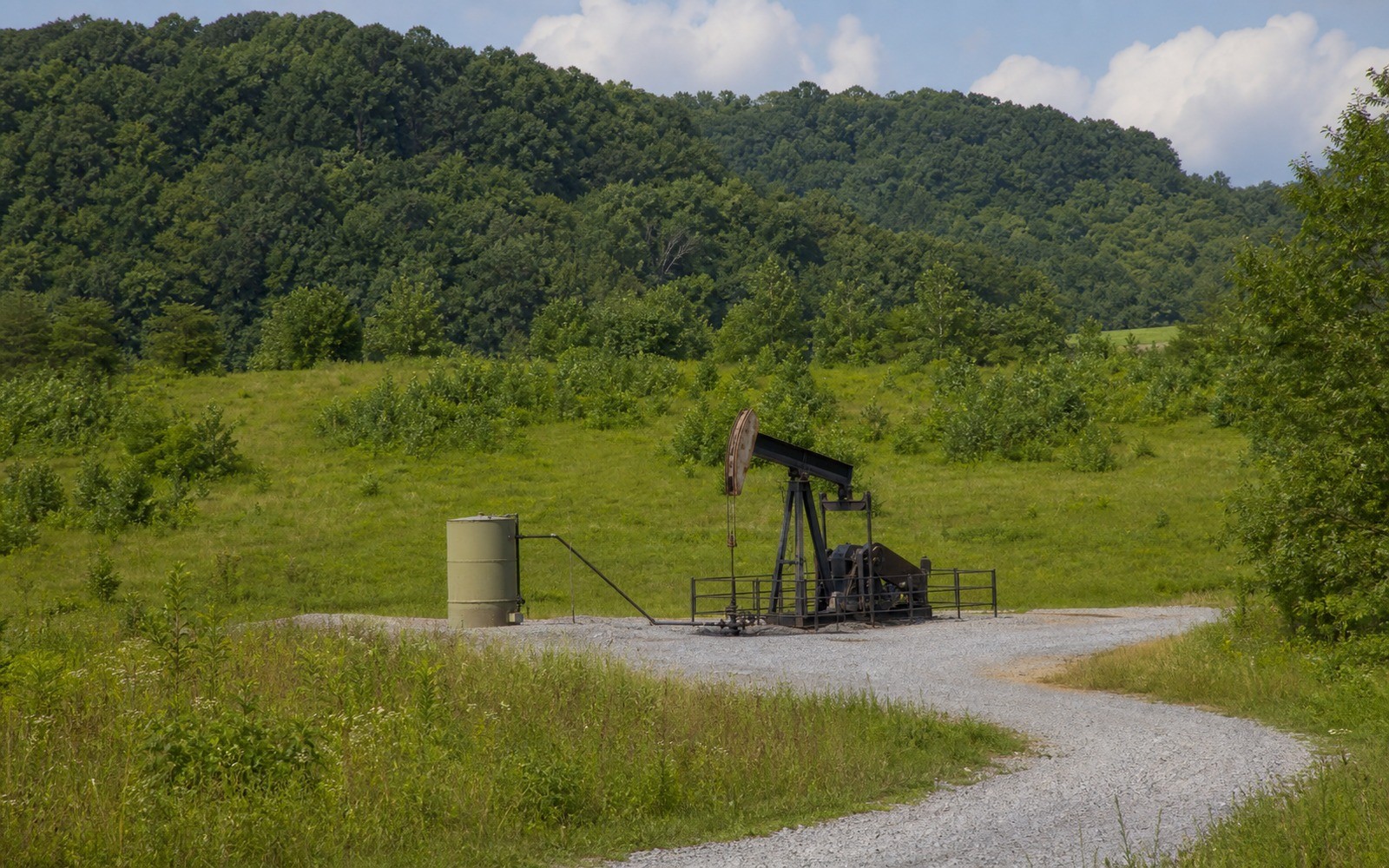
Clear these questions before the property file advances to the next step in a mineral sale.
Surface vs. Mineral Estate
Owning the land on top and owning the minerals below it are not the same thing, and knowing which one you actually hold changes everything about selling.
This is the most foundational distinction in mineral ownership, and it trips up more people than any other single concept: owning a house or a farm doesn't automatically mean you own what's underneath it, and owning valuable mineral rights doesn't require owning a single acre of visible land. The surface estate and the mineral estate are legally separate, separately deeded, and separately sellable interests. This lesson explains exactly how that split works and what it means practically when you're the one selling.
Understanding this distinction first makes every other lesson easier to follow, since situations like inherited minerals, out-of-state ownership, and fractional interests all assume you already understand you might own minerals with no connection to the surface at all.
How the same tract splits into two estates
In legal terms, land ownership can be divided into a surface estate (the ground, structures, and everything visible) and a mineral estate (oil, gas, coal, and other minerals beneath it). Under what's called the dominant estate doctrine in most states, the mineral estate actually has legal priority over the surface for purposes of reasonable access to extract minerals — meaning a mineral owner (or their lessee) generally has the right to use enough of the surface as reasonably necessary for drilling and operations, even if they don't own the surface, subject to state-specific limits and, in many modern leases, negotiated surface use agreements.
This split usually gets created one of two ways: severance by reservation (someone sells the surface but keeps, or "reserves," the minerals in the deed) or severance by grant (someone sells or grants just the minerals while keeping the surface). Either way, once severed, the two estates can be inherited, leased, and sold completely independently from that point forward.
How to tell which one you actually own
Your deed is the definitive source. Look for specific severance language: phrases like "reserving unto grantor all oil, gas, and other minerals" or "excepting and reserving all mineral rights" mean the person who sold the surface to a prior owner kept the minerals for themselves (or their heirs) — and if that's in your chain of title, you may own only the surface with no minerals attached, or you may be the mineral owner's heir with no surface at all, depending on which side of that severance your ownership traces through.
If your deed says nothing about minerals at all and simply conveys the property in standard terms, you likely own both estates together, unmodified — this is common in areas that have never had significant oil and gas activity or severance history. When in doubt, a title search back through the chain of ownership will show exactly when, if ever, a severance occurred.
Why this matters when you go to sell
If you own the mineral estate without the surface, you can sell your mineral rights entirely independent of whoever owns the ground above — you don't need their permission, and they don't need yours if they decide to sell the surface separately. Conversely, if you own the surface without minerals, selling your property doesn't include any mineral rights unless the deed explicitly conveys them (most standard real estate deeds convey whatever the seller owns, which in a severed situation is surface only), so buyers of surface-only property should always confirm mineral status before assuming they're getting both.
This also explains why you might own mineral rights under land you've never seen and have no ongoing relationship with the current surface owner — that's completely normal in a severed-estate situation and doesn't require any coordination to sell your piece.
What a mineral rights sale does and doesn't affect
Selling your mineral rights, if you own them separate from the surface, has no effect on the surface owner's use of their land beyond whatever access rights the mineral estate already carries (which transfer to the buyer, not created new by the sale). The buyer steps into your exact position — including whatever surface use rights or existing surface use agreements were already attached to the mineral estate — no more, no less. If a lease already governs surface access for drilling, that continues under the same terms with the new mineral owner.
If you're the surface owner reading this and wondering whether a neighbor's mineral sale affects you: generally it changes who receives royalty and who negotiates future leases, not your rights or obligations as the surface owner, which are typically governed separately by the existing lease or surface use agreement regardless of who owns the minerals.
Questions Owners Ask at This Checkpoint
How do you know if you own mineral rights under land you own?
Check your deed for severance language such as "reserving all oil, gas, and minerals." If that language appears anywhere in your chain of title, minerals may have been split off from the surface at that point. A title search will show exactly when and how.
Can you sell mineral rights without the surface owner's permission?
Yes. If you own the mineral estate separately from the surface, you can sell it independently — the surface owner has no say in that transaction, the same as you'd have no say if they sold the surface separately.
Does selling a house automatically include the mineral rights?
Only if the seller actually owns them and the deed conveys them without reservation. In areas with a history of mineral severance, plenty of home sales convey surface only, with minerals having been split off generations earlier.
Can a mineral owner drill on your land if you only own the surface?
Generally yes, subject to state law and any existing surface use agreement — the mineral estate typically has the right to reasonable surface access for extraction, though many modern situations involve negotiated agreements that limit and compensate for that access.
If you inherit mineral rights, do you also inherit the surface?
Not necessarily. Inheritance follows whatever specific interest the deceased owned — if they held mineral rights separate from the surface, that's exactly what passes to you, with no automatic claim on the surface unless they owned that too.
Move to the next sale checkpoint
Move the Property File to the Next Decision Gate
Share the property location, interest type, producing status, records already available, and the decision that needs to be made next.