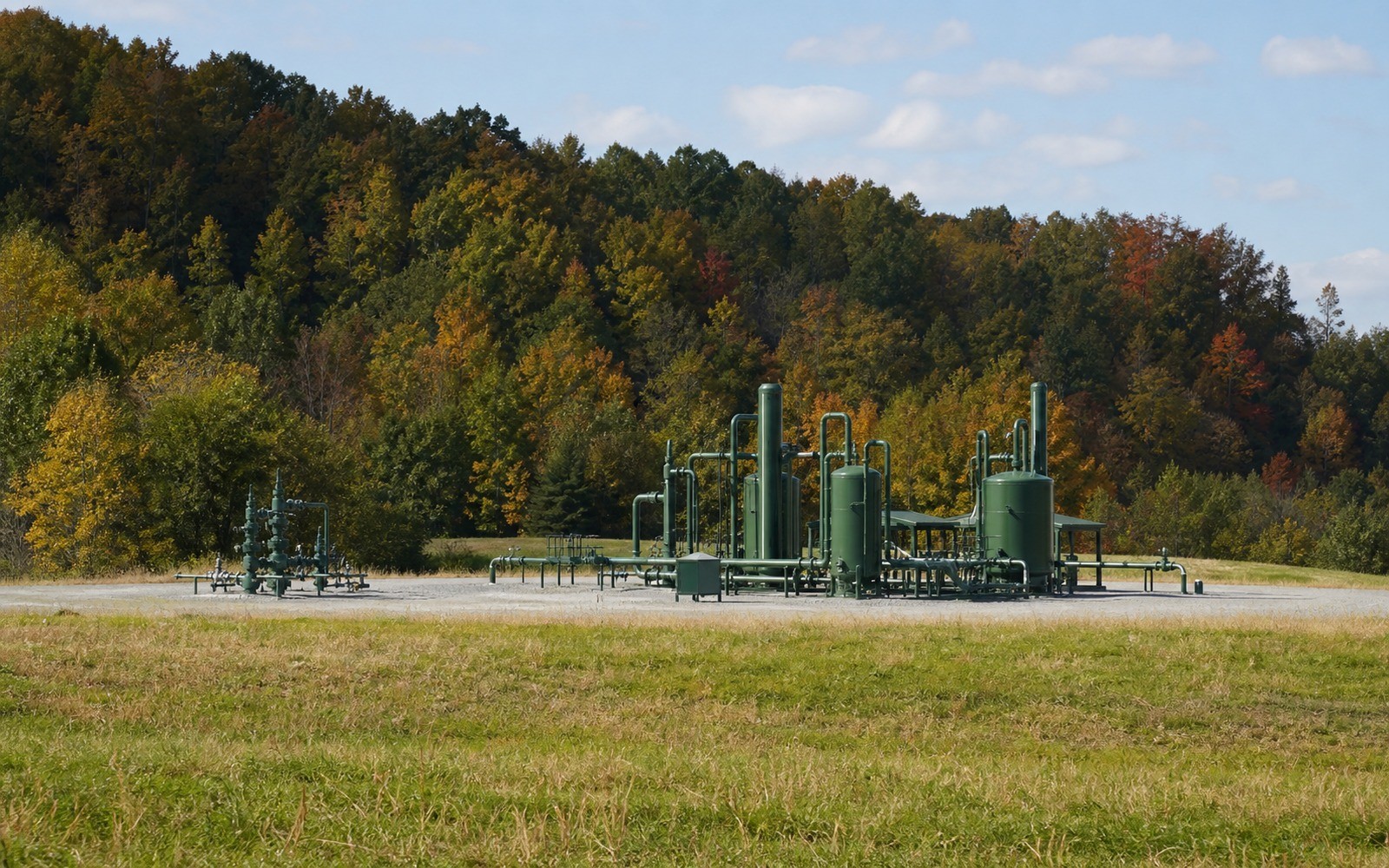
Clear these questions before the property file advances to the next step in a mineral sale.
Utica Shale Mineral Rights
Eastern Ohio's Utica Shale splits into a wet gas window rich in natural gas liquids and a deeper dry gas core, and that split drives most of the value conversation.
The Utica Shale underlies much of eastern Ohio, with core development concentrated in counties like Belmont, Monroe, Guernsey, and Harrison, sitting deeper than the overlying Marcellus in areas where both formations are present. Like the Marcellus, the Utica splits geographically, a wet gas and natural gas liquids-rich window in parts of the play, and a deeper dry gas core elsewhere, and that distinction matters as much here as it does in Pennsylvania and West Virginia's Marcellus.
This is a realistic timeline for a Utica Shale sale, with the wet-versus-dry distinction addressed at the point where it actually changes your numbers.
Ohio's Department of Natural Resources maintains detailed public well records covering this play, which is a genuinely useful resource for owners willing to spend twenty minutes looking up their specific well before a conversation with any buyer even starts.
Week one: confirm your production mix and window
Check your royalty statement for whether natural gas liquids are reported alongside gas volume. If they are, you're likely in or near the play's wet gas window, which can carry additional value from those liquids beyond the raw gas price. If your statement shows gas only, you're likely in the deeper, dry gas core.
Note your specific county as well, since Belmont and Monroe counties have seen some of the heaviest Utica development, giving buyers more comparable data to price against quickly.
Weeks one through two: pull payment history and identify decline stage
Utica wells were drilled heavily through the 2010s, so depending on when your specific well came online, you could be well into a long production tail or still relatively early in its decline. Gather at least a year of check stubs, and note whether your production has been relatively flat recently or still actively dropping.
This history, combined with your wet or dry gas window, gives a buyer nearly everything they need to price your interest without guesswork.
Weeks two through three: check whether Marcellus rights are involved too
In parts of eastern Ohio where both the Marcellus and Utica are present, some owners hold rights to both formations, sometimes leased or developed separately. Confirm whether your paperwork covers just the Utica or both formations, since this affects the full scope of what you're selling.
If you have separate Marcellus production in the same area, decide whether you want to sell both together or handle them as separate transactions, since they may attract different buyers or different pricing logic.
Weeks three through five: negotiate and close
With your production mix, window, and check history assembled, get offers and ask each buyer to explain how they're treating your wet or dry gas position specifically. Eastern Ohio has an active, established buyer pool given the volume of Utica development over the past decade, so expect reasonably fast responses if your paperwork is organized.
A straightforward sale with clean title typically closes in three to five weeks from signed agreement. If your family has held this interest across generations without formal probate, resolve that documentation early, since it's the most common thing that slows an Ohio closing down.
Questions Owners Ask at This Checkpoint
What's the difference between the wet gas and dry gas Utica windows?
Wet gas wells produce natural gas liquids alongside methane, which can add value beyond the raw gas price. Dry gas wells, generally in the deeper core of the play, produce primarily methane. Check your royalty statement to see which applies to your interest.
Can you hold both Marcellus and Utica rights in the same area?
Yes, in parts of eastern Ohio where both formations are present, some owners hold rights to both, sometimes leased or developed on different timelines. Confirm exactly what your paperwork covers before assuming you're only dealing with one formation.
Is the Utica Shale still being actively drilled?
Development has slowed from its peak years but continues in parts of the play, particularly the wet gas window. Check recent permitting activity in your specific county for the most accurate current picture.
Why does your Utica interest seem to be valued differently than a neighbor's?
Even within the same county, wet gas versus dry gas positioning, decline stage, and specific well history can lead to meaningfully different valuations. Ask any buyer to walk through their reasoning tied to your specific production rather than comparing raw offer numbers with neighbors.
Where can you look up your Utica well's records yourself?
Ohio's Department of Natural Resources maintains public well and production records searchable by county and operator. Pulling this before you talk to a buyer gives you an independent check on the information you're already receiving from your operator.
Does it matter whether your well was drilled early or late in the Utica's development?
It affects your decline stage more than your fundamental value. Wells drilled earlier in the 2010s are further along their production tail, while more recent wells may still be relatively early in decline. Either can represent a fair, sellable asset, priced against its own history.
Move to the next sale checkpoint
Move the Property File to the Next Decision Gate
Share the property location, interest type, producing status, records already available, and the decision that needs to be made next.