Clear these questions before the property file advances to the next step in a mineral sale.
Bakken Mineral Rights
Selling Bakken minerals is a process with a real shape to it, and knowing that shape ahead of time is what keeps you from getting rushed or stalled.
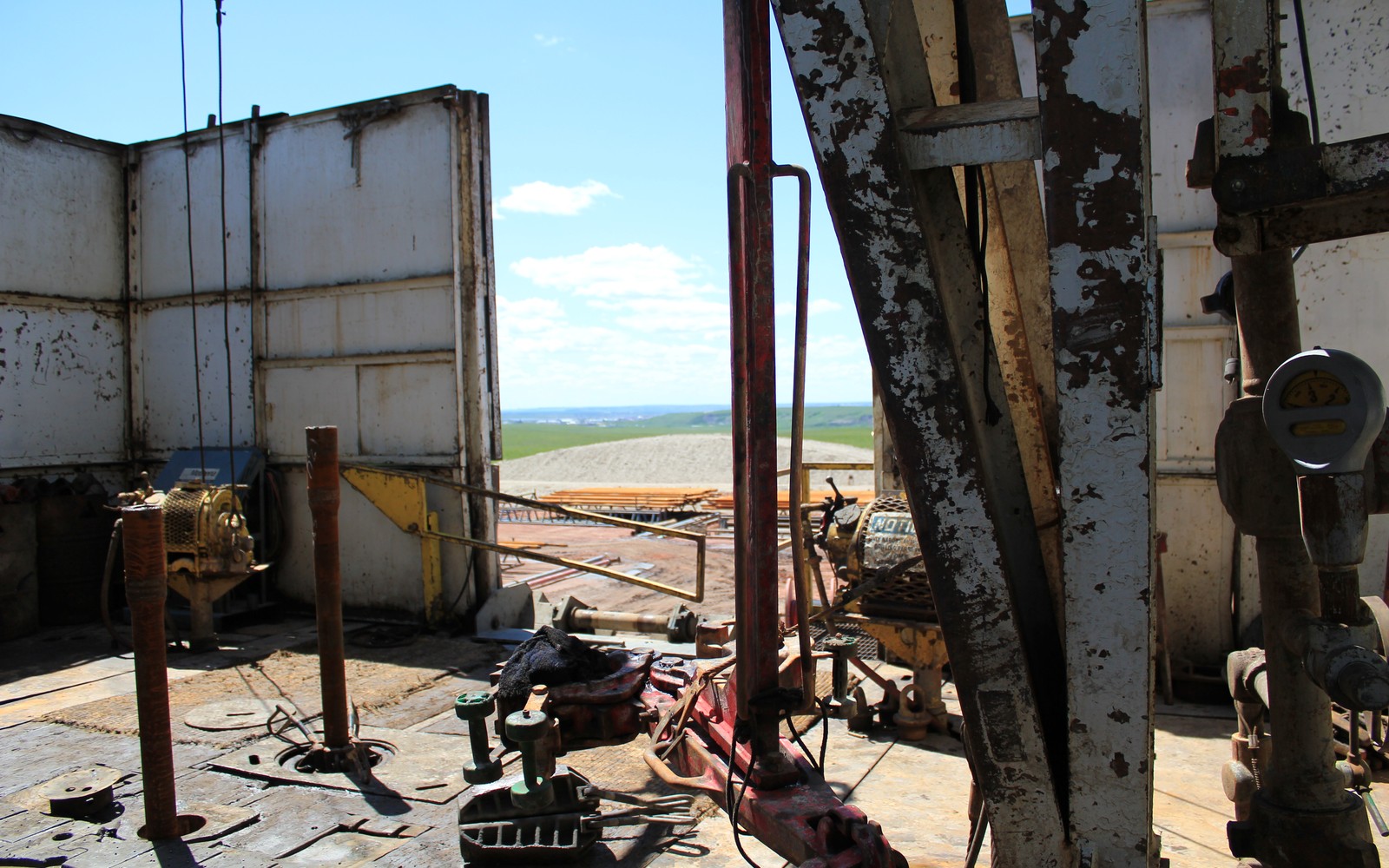
The Bakken and underlying Three Forks formation, spread across the Williston Basin in North Dakota and eastern Montana, is one of the most heavily developed horizontal oil plays in the country. Because it's been drilled hard since the mid-2000s, most owners here are dealing with established spacing units, known operators, and a decade or more of check history, which actually makes the selling process more predictable than in newer plays.
Walk through this timeline in order. It reflects roughly how a straightforward Bakken sale unfolds, from the first paperwork pull to the wire hitting your account.
Keep in mind that the Three Forks bench sitting below the main Bakken interval is itself sometimes developed separately, on its own schedule, which is one more reason to confirm exactly which zone your specific royalty check is tied to before you assume you understand your full position.
Week one: pull your division order and spacing unit details
Start by locating your current division order, which shows your decimal interest, the well or wells you're tied to, and the operator of record. In the Bakken, most production comes from large horizontal spacing units, often a full section or more, so your interest may be split across multiple wells within that unit.
Cross-check the well names against North Dakota Industrial Commission or Montana Board of Oil and Gas records to confirm current operator and status. Counties like Mountrail, McKenzie, and Williams in North Dakota, and Richland County in Montana, see the heaviest current activity, so note where your tract sits relative to that.
Weeks two through three: gather payment history and confirm decline stage
Bakken horizontal wells have a distinctive decline pattern: a steep drop in the first 12-18 months followed by a long, shallower tail that can produce for a decade or more. Pull as much payment history as you can, ideally two years, and figure out where your well sits in that curve. A well three years in behaves very differently on paper than one that just came online.
This is also the window to check for any new permits filed near your tract. New permits nearby signal a possible future well on your spacing unit, which changes how a buyer thinks about upside beyond what's currently producing.
Weeks three through four: get offers and compare them against your own numbers
With your division order, payment history, and permit check in hand, you're ready to get real offers rather than guesses. Because the Bakken has a large, active buyer pool used to this basin's decline patterns, you should expect offers to reference your actual trailing production rather than generic per-acre numbers.
Compare offers against each other, rather than against a number you had in your head going in. Oil price swings affect Bakken valuations more than in some other plays, since this basin is more oil-weighted than gas-weighted, so a buyer's offer today reflects current pricing, not necessarily what a check looked like two years ago.
Weeks four through six: title review and closing
Once you accept an offer, expect a title review that confirms your chain of ownership back through any prior deeds or probate. North Dakota and Montana both require clean documentation, and if your interest passed through inheritance without formal probate, this is where that gets flagged and needs resolving.
A clean title package closes in two to four weeks from signed agreement. Gaps in the chain, unresolved heirship, or liens can stretch that considerably, so it's worth having those documents ready before you even start step one.
Questions Owners Ask at This Checkpoint
Why did your Bakken royalty checks drop so much after the first year or two?
That's the normal decline curve for a horizontal Bakken well, steep in the first year or two before settling into a longer, shallower tail. It doesn't necessarily mean the well is done producing, but it does mean your value should be based on where you are in that curve now, not on early peak checks.
Does it matter if you're in North Dakota versus Montana?
It can. The core, most heavily drilled counties are in North Dakota, particularly Mountrail, McKenzie, and Williams. Montana's Richland County sees activity too but generally less density. Location within the play affects both current production and future drilling upside.
How much does oil price affect your offer?
More than in a gas-weighted basin, since Bakken production is primarily oil. Offers will typically be quoted against recent royalty checks and current pricing, so expect valuations to move with the broader oil market rather than staying fixed.
What's the biggest thing that slows down a Bakken sale?
Unresolved title or heirship issues, more often than the production numbers themselves. Get your deed and probate documentation together early so it isn't the thing holding up closing after you've already agreed on price.
Is the Three Forks the same thing as the Bakken?
No. The Three Forks is a separate formation sitting below the main Bakken interval, sometimes developed with its own wells on the same spacing unit. Check your division order to see whether your royalty is tied to a Bakken well, a Three Forks well, or both.
Move to the next sale checkpoint
Move the Property File to the Next Decision Gate
Share the property location, interest type, producing status, records already available, and the decision that needs to be made next.