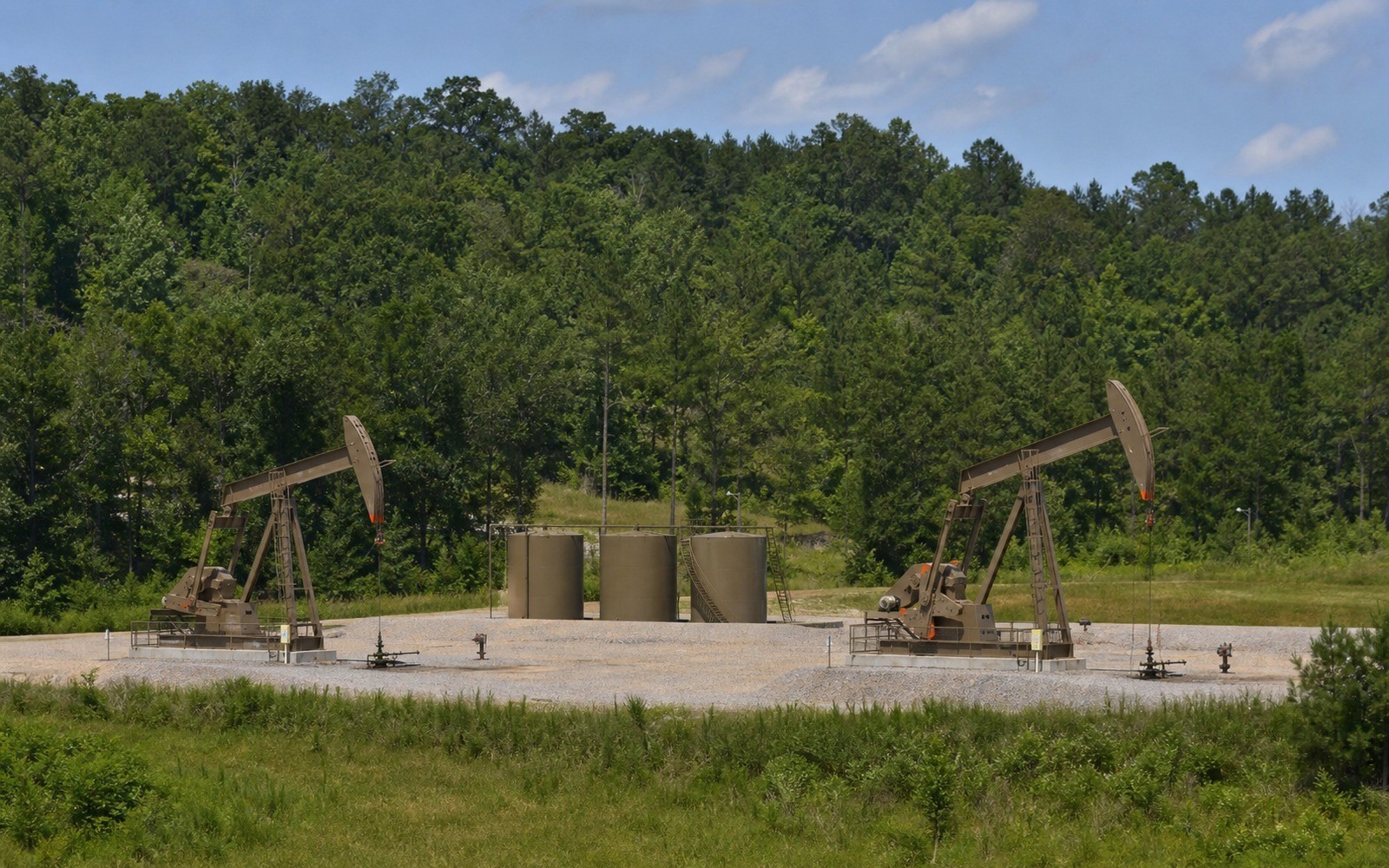
Clear these questions before the property file advances to the next step in a mineral sale.
Black Warrior Basin Mineral Rights
Coalbed methane rights work a little differently than conventional oil and gas, so this lesson starts by making sure you know exactly what you own.
The Black Warrior Basin in west-central Alabama, centered around Tuscaloosa and Jefferson counties, is one of the oldest and most established coalbed methane plays in the country, with development going back to the 1980s. Gas here is produced from coal seams rather than a conventional sandstone or shale reservoir, which affects how the interest is described in your paperwork and how a buyer will evaluate it.
Follow these four steps in order, and you'll walk into any buyer conversation already understanding your own asset better than a generic pitch would explain it to you.
Confirm whether you own coal, gas, or both
In coalbed methane country, mineral ownership is sometimes split between the coal itself and the gas within the coal seam, a distinction that doesn't exist in most conventional oil and gas plays. Read your deed carefully for language separating 'coal' from 'coalbed methane gas' or 'gas in whatever form,' since owning one doesn't automatically mean you own the other.
If your deed is ambiguous or decades old, this is worth resolving before you talk value with anyone, because a buyer interested in your gas royalty needs to know your gas rights are clearly yours to sell.
Pull your production history and expect a mature curve
This basin has been producing for decades, so most wells here are well past initial development and into long-term, stable, lower-volume production. Coalbed methane wells also have a somewhat unusual early-life pattern compared to conventional wells, often ramping up gradually as water is pumped out of the coal seam before gas flow increases, so don't be surprised if very old records show an unusual early curve before settling into steady decline.
Gather whatever payment history you have, ideally two years or more, so a buyer can see the current, stable stage of production rather than pricing off an unrepresentative single month.
Verify current operator and well status through state records
The Black Warrior Basin has seen operator changes over its long history. Confirm the current operator and well status, active, shut in, or plugged, through the Alabama State Oil and Gas Board's public records rather than relying on old lease paperwork that may no longer reflect who's actually running the well.
If your well shows as plugged or long-term shut in, that materially changes your position from an active royalty sale to something closer to a legacy asset with no current cash flow, and it's better to know that before you shop the interest.
Set expectations for a mature, low-volume niche market
Coalbed methane in a mature basin like this one is a smaller, more specialized market than a hot shale play, with fewer buyers actively bidding. That doesn't mean your interest lacks value, it means the sales process may take a bit longer and you may need to reach out to more than one buyer to find someone who specializes in Alabama coalbed methane specifically.
Price expectations should be grounded entirely in your actual trailing production and remaining reserve life, not in comparisons to unrelated, more actively drilled basins elsewhere in the country.
Questions Owners Ask at This Checkpoint
What's the difference between owning coal and owning coalbed methane gas?
Coal is the solid mineral itself, while coalbed methane is the natural gas trapped within the coal seam. Older Alabama deeds sometimes convey one without the other, so it's worth confirming which you actually hold before assuming you can sell gas royalty rights.
Why did your royalty checks start small and increase over time?
That's a normal pattern for coalbed methane wells, which often need water pumped out of the coal seam before gas flow ramps up. If your well is decades old, it has likely long since passed that stage and settled into steady, mature production.
Is anyone still actively drilling in the Black Warrior Basin?
New drilling activity is limited, since this is a mature, largely developed play. Most current production and most buyer interest is centered on existing, established wells rather than new development.
Will it be harder to find a buyer for coalbed methane rights than for shale rights?
It can take more legwork since fewer buyers specialize in this niche. Look for buyers with specific coalbed methane or Alabama experience, and be patient with the process rather than assuming a slow response means your interest has no value.
How do you find out how much coal versus gas activity has historically happened on your tract?
Start with the Alabama State Oil and Gas Board's public well records for your section, which typically list well type, formation, and production history. Pairing that with your deed's language on coal versus gas rights gives you a fairly complete picture before you talk to a buyer.
Does the age of your lease affect how a buyer treats your interest?
It can, mainly because older Black Warrior leases sometimes use less precise language separating coal and coalbed methane gas. A buyer will simply want that clarified early, which is a paperwork step, not a reflection of your interest's underlying value.
Move to the next sale checkpoint
Move the Property File to the Next Decision Gate
Share the property location, interest type, producing status, records already available, and the decision that needs to be made next.