Clear these questions before the property file advances to the next step in a mineral sale.
Barnett Shale Mineral Rights
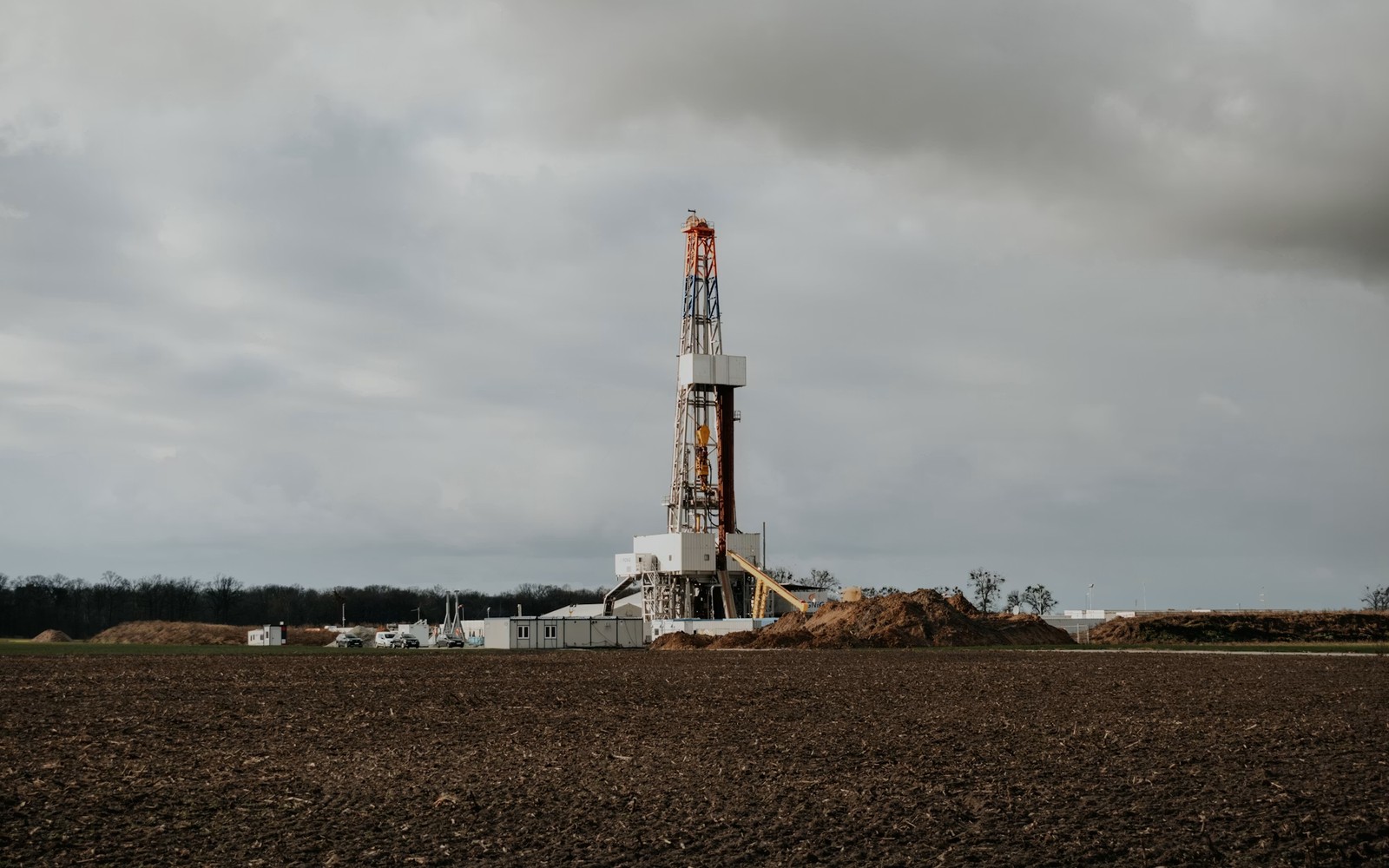
The Barnett was the play that started the shale gas revolution, and today it's a lesson in how to sell a mature asset well past its early boom years.
The Barnett Shale under the Fort Worth Basin, spanning Tarrant, Johnson, Wise, Denton, and several surrounding counties, was the first shale play developed at scale in the United States starting in the late 1990s. Most of the drilling here happened fifteen to twenty years ago, so if you own Barnett minerals, you are almost certainly dealing with mature, established wells rather than active new development.
That maturity is the frame for this whole lesson. Selling here is less about betting on future drilling and more about accurately pricing a long, stable decline curve, and about untangling paperwork on wells that, in some cases, sit under neighborhoods.
Because so much of the Barnett was developed early in the shale-gas era, some of the standard practices around spacing, unitization, and division orders that other basins now take for granted were still being worked out here in real time. That history occasionally shows up as inconsistent early paperwork, which is worth expecting rather than treating as unusual.
Step one: understand that you own a mature-decline asset
Barnett wells were mostly drilled during the 2000s boom, meaning most have already been through their steep early decline and settled into a long, low-volume production tail. This isn't a bad thing, stable stripper-well production can be a genuinely predictable asset, but it does mean you should not expect or be pitched offers based on new-drilling upside.
Pull your last two to three years of check stubs and look at whether payments have flattened. A flattened, low but steady curve is normal here and tells a buyer your interest is a known, quantifiable quantity rather than a guess.
Step two: confirm whether your tract is urban or rural
A distinctive feature of the Barnett is that a meaningful share of its wells sit under or near urban and suburban development in the Dallas-Fort Worth metro area, alongside more rural production further out. Urban wells sometimes carry different lease terms, setback considerations, and surface-use histories than rural ones, and that history can matter to a buyer's diligence.
Check your lease and any addenda for surface-use agreements or special provisions tied to an urban location. If you're not sure whether your tract falls in a developed area, the well's location on Texas Railroad Commission maps will show you quickly.
Step three: verify the operator and current well status
The Barnett has seen operator consolidation and changes of hands over the years as the play matured and some early operators exited. Confirm the current operator through Railroad Commission records rather than relying on old paperwork, and check whether your well is still actively producing, temporarily shut in, or plugged.
A well that's been shut in for an extended period changes the conversation from a producing-royalty sale to something closer to a bet on the well being restarted, and a buyer will price that difference accordingly.
Step four: price the offer against your actual decline, not the play's history
Because the Barnett is a well-known, mature play with a long public track record, decline modeling here tends to be more predictable than in newer basins, which is actually an advantage when you're negotiating. Ask a buyer to walk you through how they're valuing your interest against your specific trailing production, not against a generic multiple pulled from headlines about the play's boom years.
A fair offer in a mature basin like this is grounded in your check history and remaining reserve life. Anything pitched without reference to your actual numbers is a placeholder, not a real offer.
Questions Owners Ask at This Checkpoint
Is the Barnett Shale still being actively drilled?
New drilling activity is limited compared to the play's 2000s boom years. Most current production comes from established wells well into their decline, so value here is driven by existing production, not new-well upside.
Does it matter that your well is in an urban area near Fort Worth?
It can affect surface-use terms and diligence details, but it doesn't change the core royalty math. Urban and rural Barnett wells are both valued primarily off production history and decline stage.
Why did your operator change over the years?
Operator consolidation is common in mature plays like the Barnett as some early operators sold assets or exited. Always confirm the current operator through Railroad Commission records rather than assuming your original lease paperwork is still accurate.
What if your well shows as shut in?
A shut-in well isn't necessarily worthless, but it does change how a buyer prices your interest, since there's no current check history to point to. Ask directly whether the shut-in status is temporary or likely permanent before you evaluate any offer.
Should you expect much buyer competition for a mature Barnett interest?
Generally less than in an actively drilled basin, since there's little new-development story to attract speculative buyers. Reach out to more than one buyer with Barnett or mature dry-gas experience specifically, and be patient, a fair number is still findable, it just may take a bit more outreach.
Move to the next sale checkpoint
Move the Property File to the Next Decision Gate
Share the property location, interest type, producing status, records already available, and the decision that needs to be made next.