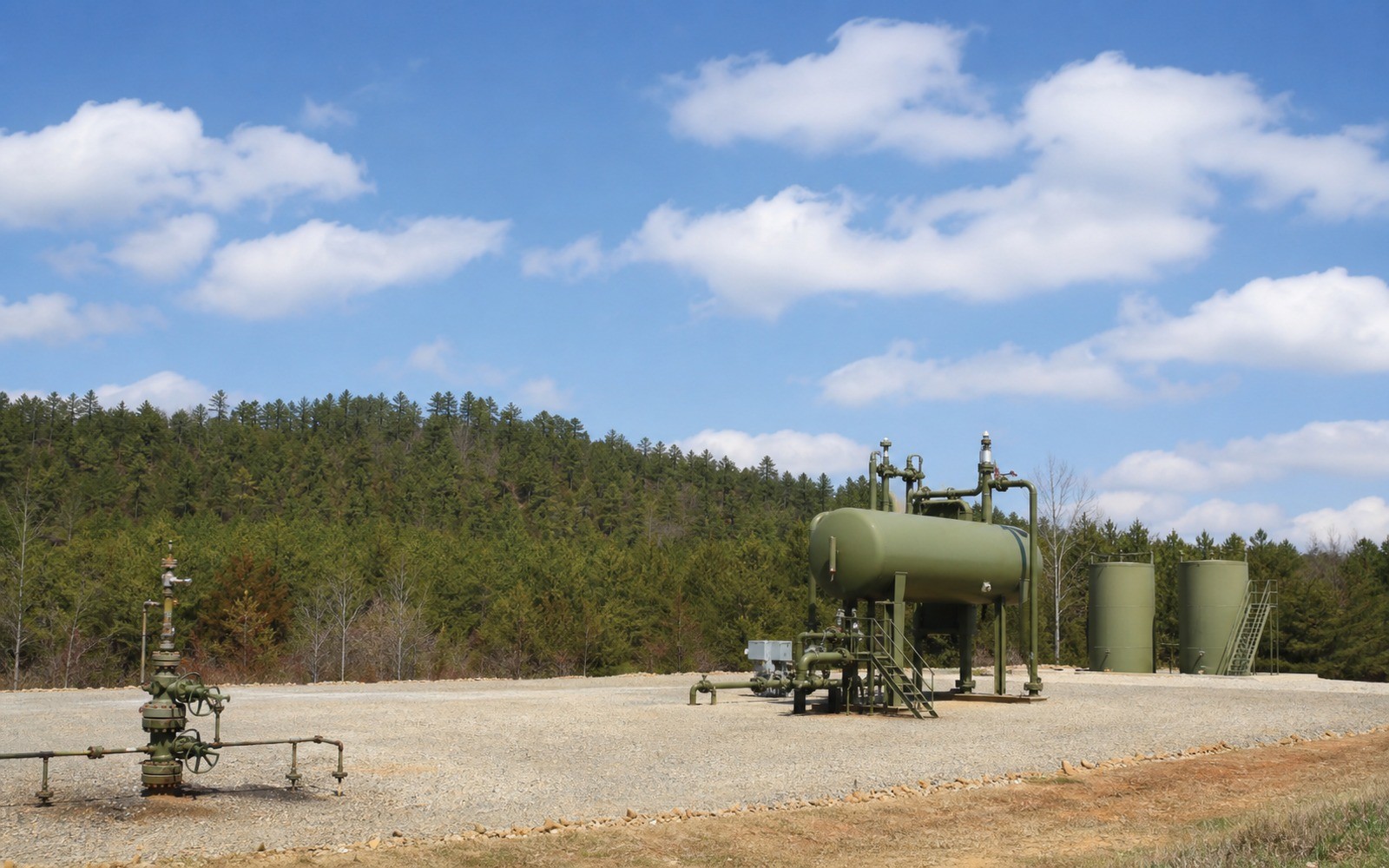
Clear these questions before the property file advances to the next step in a mineral sale.
Fayetteville Shale Mineral Rights
The Fayetteville Shale had its boom years already, so this lesson treats your interest for what it is now: a mature, dry-gas asset with a known history.
The Fayetteville Shale sits in north-central Arkansas, primarily across Van Buren, Conway, White, and Cleburne counties, developed heavily starting in the mid-2000s as one of the earlier major shale gas plays behind the Barnett. Southwestern Energy was the dominant operator through much of the play's development, and while operator names on your paperwork may have changed since, the basic character of the play hasn't: dry natural gas, largely mature, with limited new drilling today.
Follow these steps in order to approach a sale here with a clear, realistic picture, rather than expectations borrowed from hotter, more actively drilled plays.
This basin also has a distinct advantage for sellers who take the time to use it: it was developed almost entirely during a compact window in the mid-to-late 2000s by a small number of operators, so unlike older, patchwork basins, most Fayetteville title and production records are relatively consistent and well documented if you know where to look.
Confirm your current operator, since names have changed
If your original lease names Southwestern Energy or another early Fayetteville operator, check current Arkansas Oil and Gas Commission records to confirm who actually operates your well today, since assets in this play have changed hands as the market matured and some operators reduced their footprint.
This matters because your check stub may already reflect a newer operator name, and any confusion here can slow down a buyer's diligence unnecessarily.
Pull payment history and expect a long, low decline tail
Most Fayetteville wells are well past their steep early decline and into a long, low-volume production tail typical of a mature dry gas play. Gather at least two years of check stubs so a buyer can see the current stable stage rather than pricing off outdated peak-year numbers from the play's early boom.
A flattened, modest but consistent royalty stream is the normal and expected picture here, not a sign of an underperforming asset.
Understand that value tracks natural gas prices closely
Because this is a dry gas play with limited new drilling to offset price swings, your royalty income moves fairly directly with natural gas prices. When gas prices rise, expect stronger checks and stronger offers; when they fall, expect the opposite, and don't read a soft period as a permanent decline in your asset's underlying value.
Ask any buyer how they're accounting for current gas pricing versus your longer production trend, since a fair offer should reflect both, rather than a snapshot of the most recent month alone.
Set expectations for a smaller buyer pool and be patient
The Fayetteville doesn't see the buyer competition that hotter, more actively drilled basins do, since there's little new-development upside to attract speculative interest. That means finding the right buyer may take a bit more outreach, and it's worth talking to more than one before settling on an offer.
This isn't a reason to accept a lowball number out of impatience. A buyer with real experience in mature Arkansas gas plays can still give you a fair number grounded in your actual production, it may just take a little longer to find them.
Questions Owners Ask at This Checkpoint
Is anyone still drilling new wells in the Fayetteville Shale?
New drilling activity is minimal today. Most production comes from wells drilled during the 2000s development boom, now well into a long, low-volume decline tail.
Why does your royalty check move so much with natural gas prices?
Because the Fayetteville is a dry gas play with limited new drilling to buffer against price swings, your income tracks the natural gas market fairly directly. This is normal for a mature gas-only basin.
Your lease still says Southwestern Energy but your check comes from a different company. What happened?
Operator changes are common as mature plays like this one see asset sales over time. Confirm the current operator through Arkansas Oil and Gas Commission records to make sure your paperwork matches reality before you talk to a buyer.
Will you get fewer offers here than in a more active basin?
Possibly, since fewer buyers specialize in mature, dry-gas Arkansas plays compared to hotter basins elsewhere. It's worth reaching out to more than one buyer and being patient rather than assuming a slower response means low value.
How long is your Fayetteville well likely to keep producing?
Many Fayetteville wells have already produced for well over a decade at a stable, low-volume rate, and mature dry gas wells like these can continue producing for years longer at modest but steady levels. Review your specific decline curve with a buyer to get a realistic estimate rather than relying on a play-wide average.
Where do you confirm your well's current operator and status?
The Arkansas Oil and Gas Commission maintains public well records searchable by county and operator. Checking there directly, rather than relying on your original lease paperwork, gives you an accurate current picture before you evaluate any offer.
Move to the next sale checkpoint
Move the Property File to the Next Decision Gate
Share the property location, interest type, producing status, records already available, and the decision that needs to be made next.